Areños

Areños

(La Pernía, Palencia)

Areños appears in 12th-century documents as Arenius, a word that could derive from Latin (sand, arid, stony) or it could have an Iberian origin, from "ar-enea" (meaning "valley estate"). It is also possible that it refers to a settler named Arenius.


Areños once had a neighborhood called Río las Casas, located in the area now known as El Cardil, on the right bank of the Areños River, between Areños and Casavegas. During the Peninsular War (1808-1814), Areños and Río las Casas were burned and demolished by the French armies. After the war, Areños was rebuilt, but not the Río las Casas neighborhood, which was left barren and devastated. Few vestiges of Río las Casas remain, as the stones from its buildings were used to rebuild Areños at the end of the Napoleonic Wars.

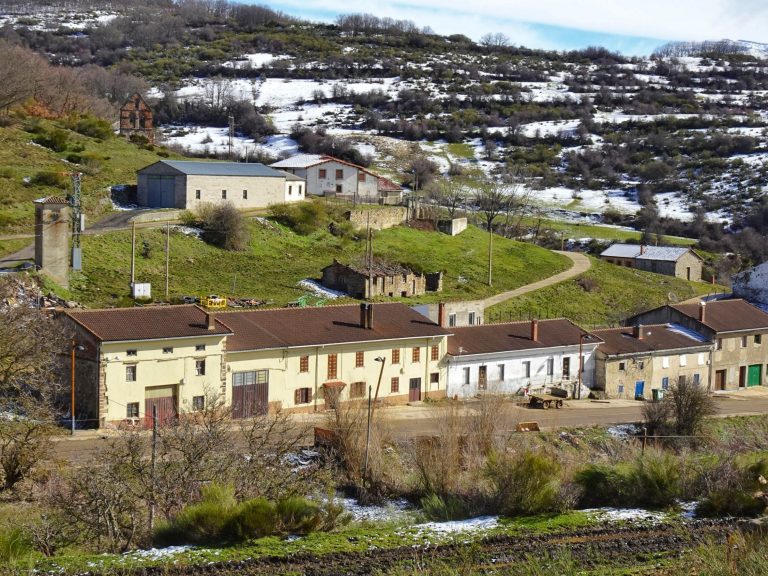
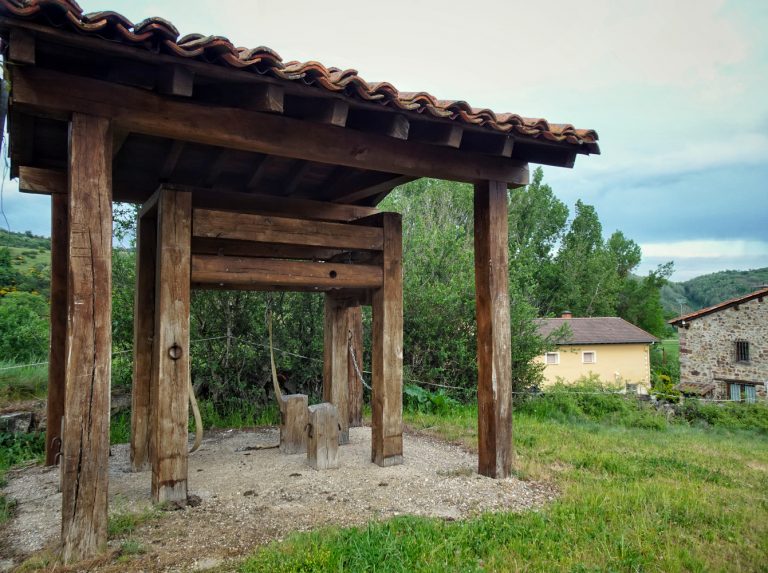
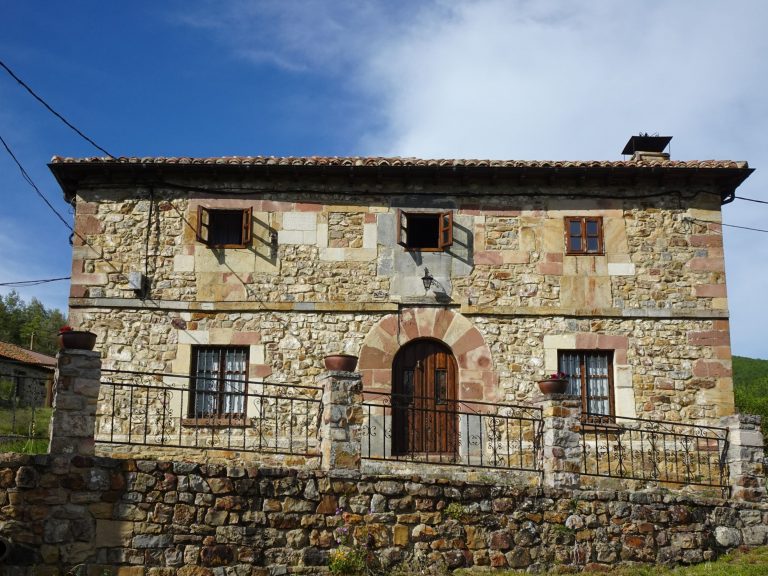
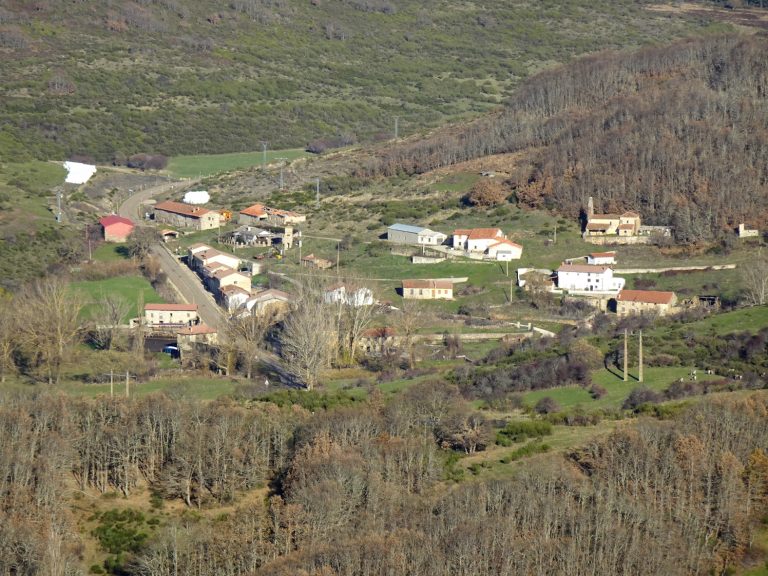
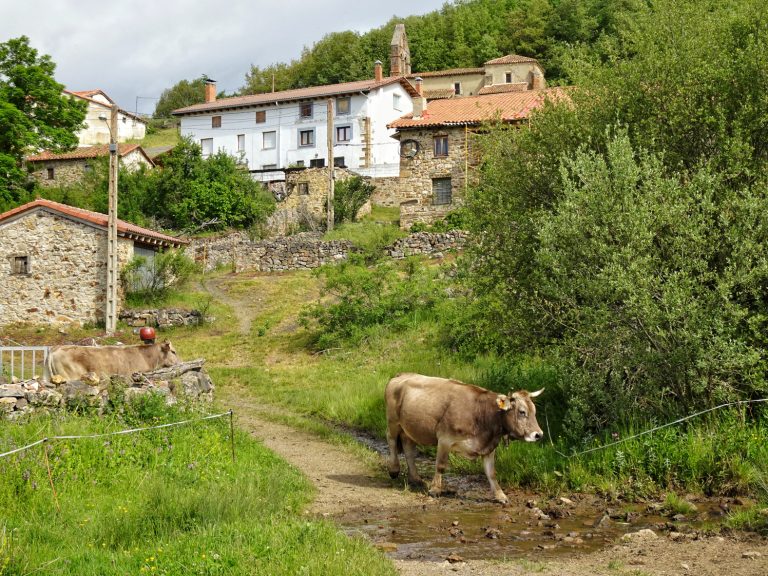
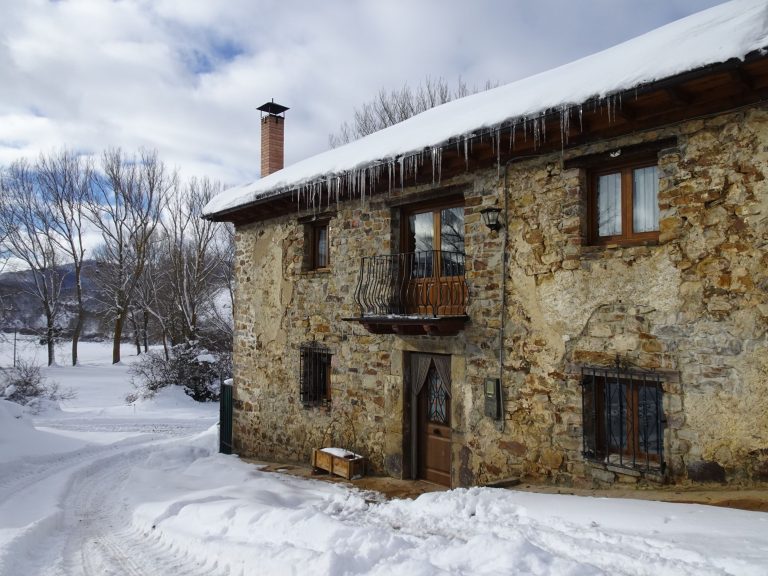
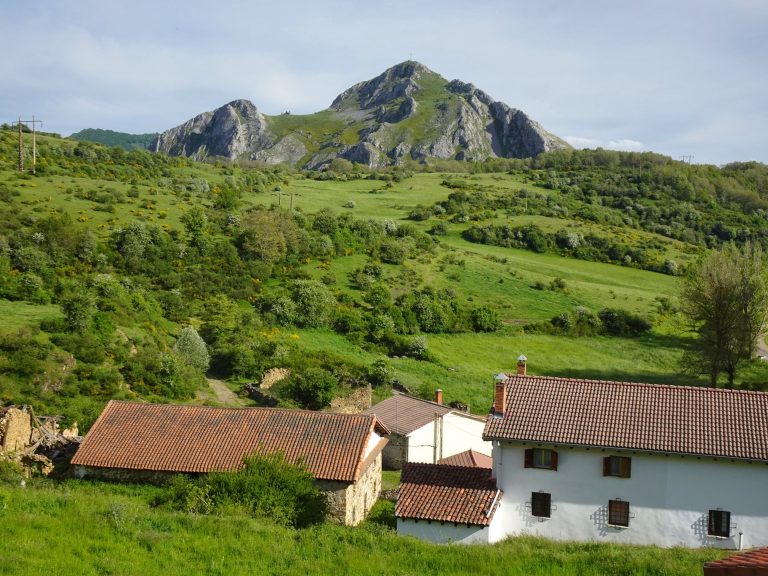
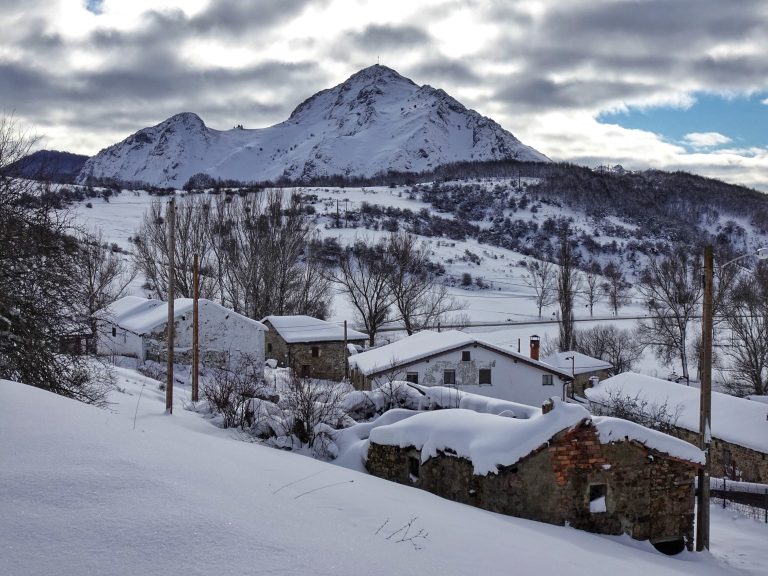
The hamlet of Areños is located along Highway CL-627, with a few houses scattered along the hillside that leads up to the church, among which is the old shoeing stable, restored a few years ago.


Areños celebrates its patron saint festival, dedicated to San Miguel, on September 29th.

Areños en imágenes

The Church of San Miguel

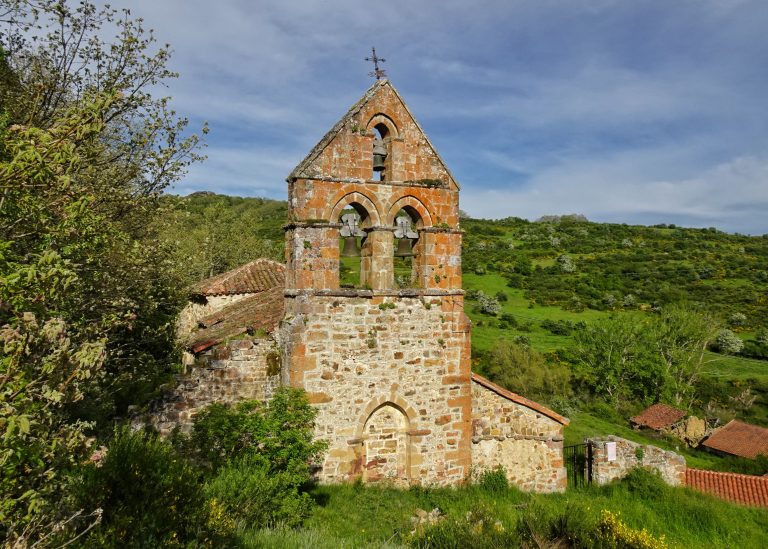
The parish church of Areños, dedicated to Saint Michael, is located in the upper part of the village, at the edge of an oak forest. It consists of a nave and a square chancel with a ribbed vault, renovated in the modern period.

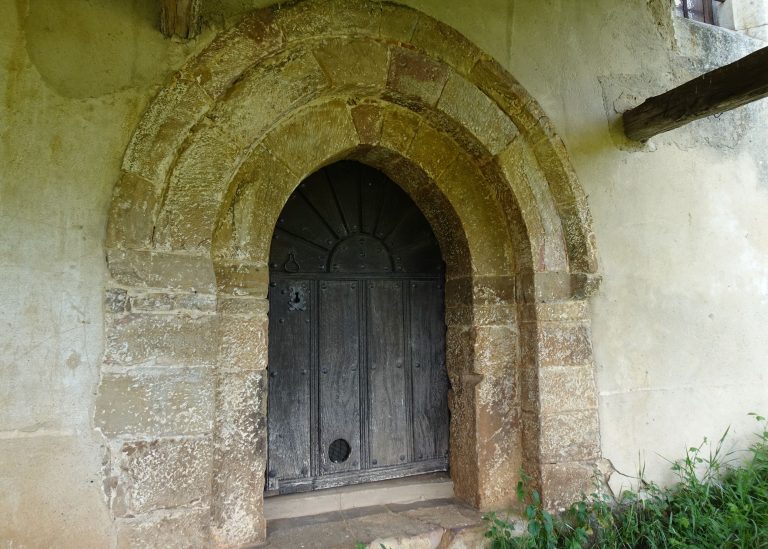
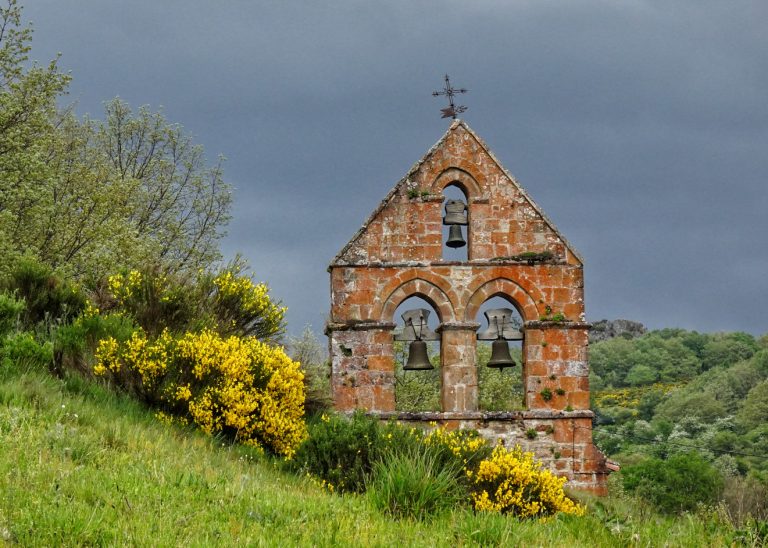
Of the original Romanesque building, dating back to the late 12th or early 13th century, only the bell gable and a simple doorway on the south wall of the nave remain.


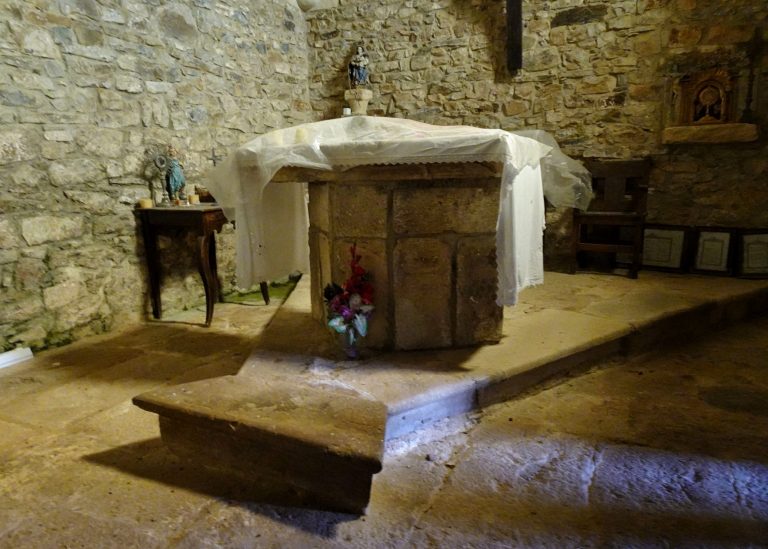
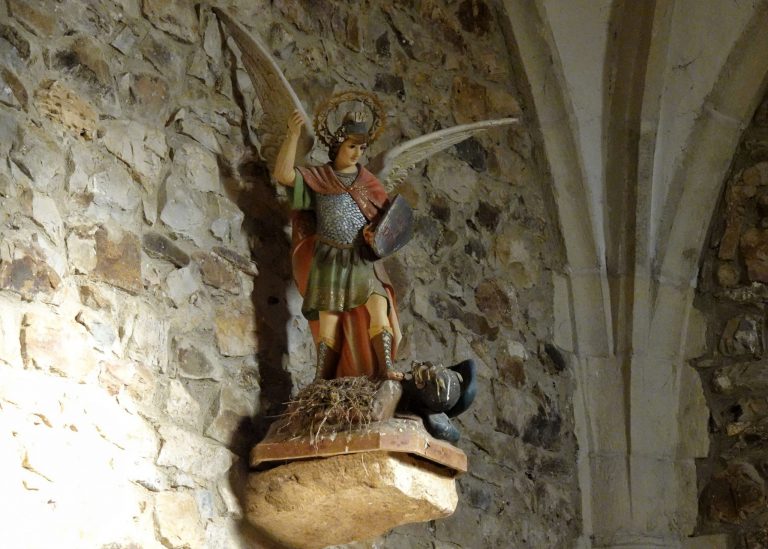
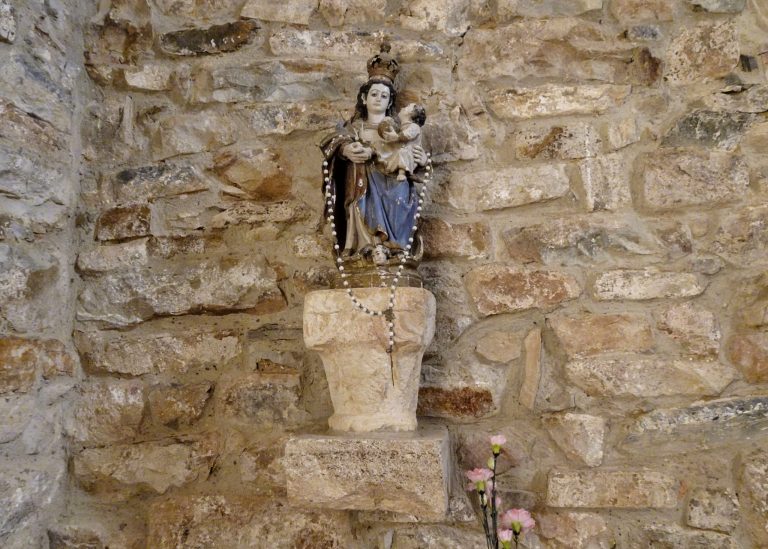
In the interior, the unique shape of its altar, a simple baptismal font, and statues of the Virgin and Child, Saint Sebastian, a 16th-century Christ, Saint Anthony from the 18th century, and Saint Michael stand out.


In the middle of the last century, the historian Miguel Ángel García Guinea referred to the existence of fragments of column shafts, decorated with interlacing and capitals with geometric decoration, found piled up inside the building, which he linked to the same sculpture workshop that worked on San Salvador de Cantamuda. Unfortunately, all that remains of these elements today is what appears to be an old, simple capital repurposed as a pedestal to support the image of a virgin.

Mining

Coal mining was an important source of income for many towns in La Pernía for much of the 20th century.


Very close to the town of Areños were the mines known as "La Vasco Cántabra", which were active until 1994. These mines once had two overhead cables used to send the ore across the river for transport. Nothing of these facilities has been preserved. 

The recent restoration of waste dumps in coal mining areas has practically erased the last few traces of mining in the area. 

en_GB